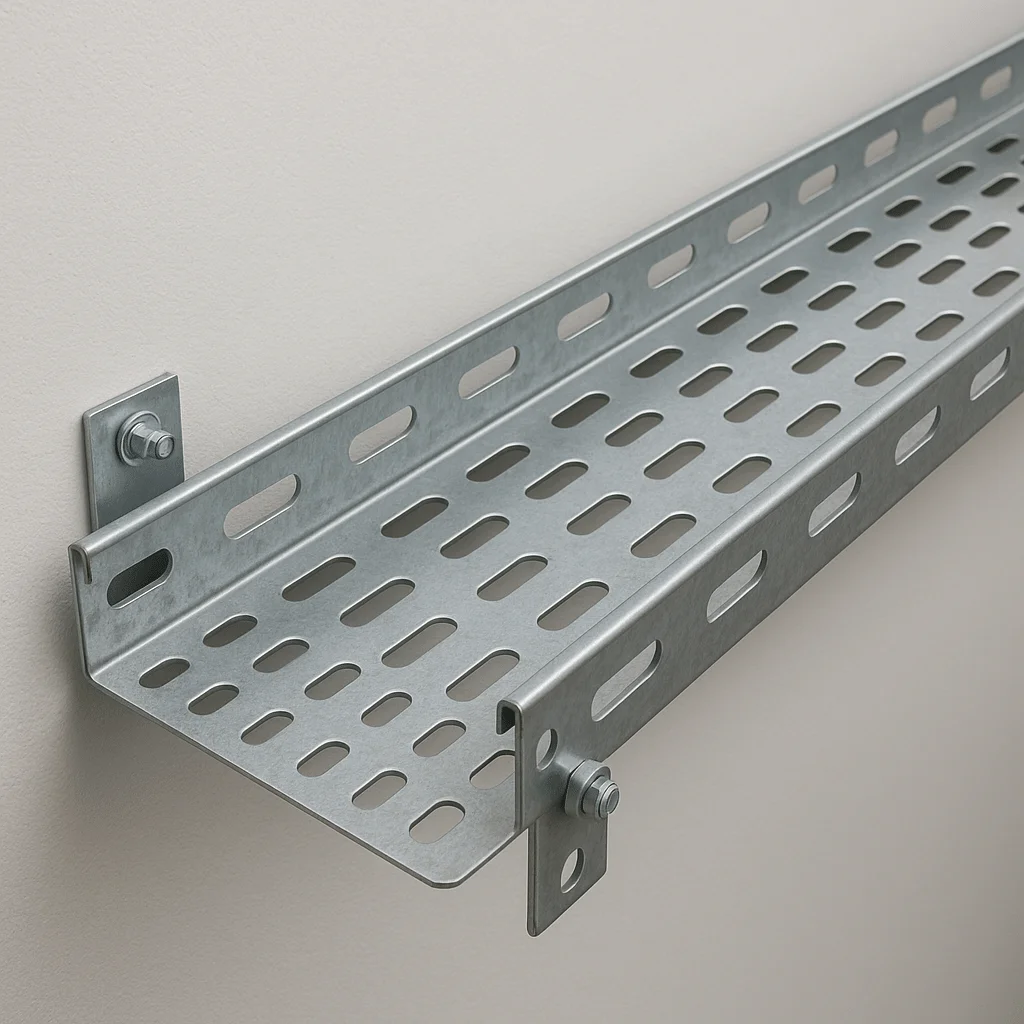
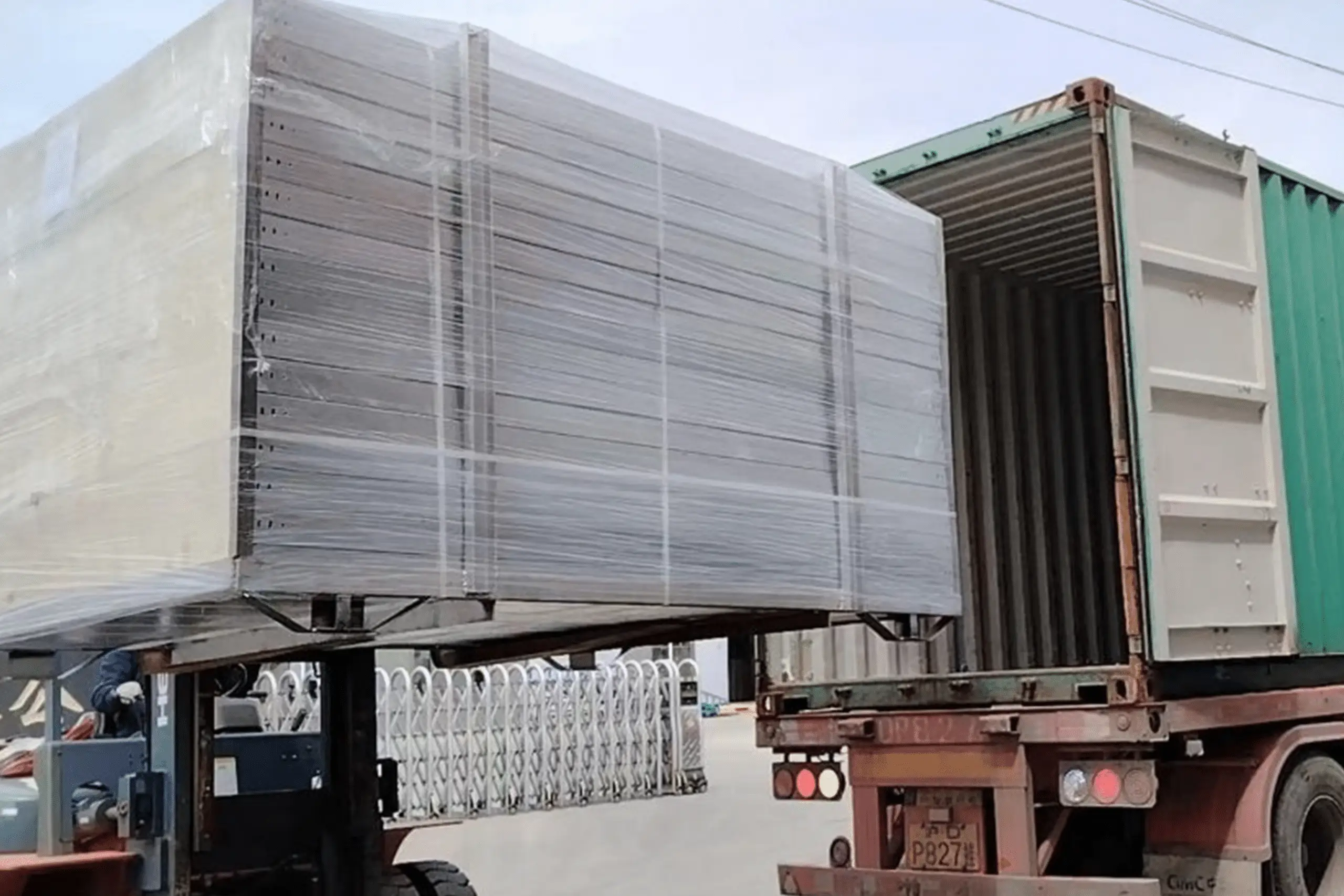
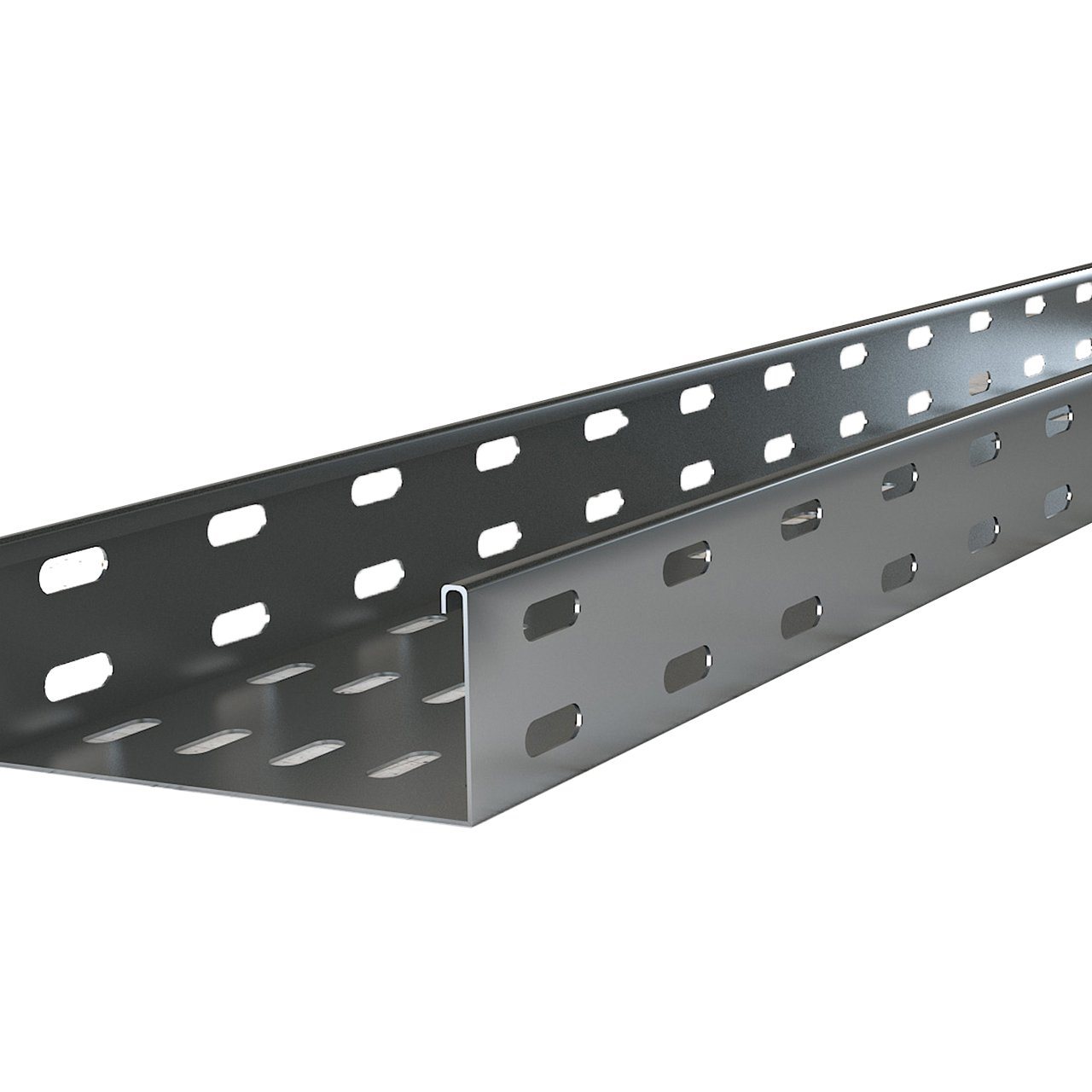
A escada de cabos is a critical component in sistemas de gerenciamento de cabos, providing organized, secure, and accessible pathways for electrical cables in commercial, industrial, and residential installations. Understanding its types, benefits, and differences from bandejas de cabos ensures efficient, safe, and scalable installations.
What is a Cable Ladder?
A cable ladder, sometimes called a wireway or cable tray system, is a modular, open-frame structure with side rails and cross-members (rungs) designed to hold multiple electrical, power, or communication cables. Common materials include steel, aluminum, stainless steel, and FRP, offering durability, corrosion resistance, and mechanical strength.

Types of Cable Ladders
-
Standard Cable Ladders – For general-purpose installations, easy to join using bends, tees, and couplers.
-
Heavy-Duty Cable Ladders – For high-capacity cables in industrial settings.
-
Perforated Ladders – Enhanced ventilation and heat dissipation.
-
Covered/Enclosed Ladders – Protection against dust and accidental contact.
-
Modular Cable Ladders – Flexible assembly for changing requirements.
-
Adjustable Height Ladders – Adaptable to uneven floors or penetrations.
-
Non-Metallic Ladders – EMI-resistant, made of FRP or PVC.
Benefits of Cable Ladders
-
Cable Protection: Prevents physical damage and abrasion.
-
Fire Safety: Heat dissipation reduces fire risks.
-
Efficient Organization: Easy segregation and management of cables.
-
Flexibility & Scalability: Modular design allows upgrades and modifications.
-
Cost-Efficiency: Reduces material and labor costs compared to conduits.
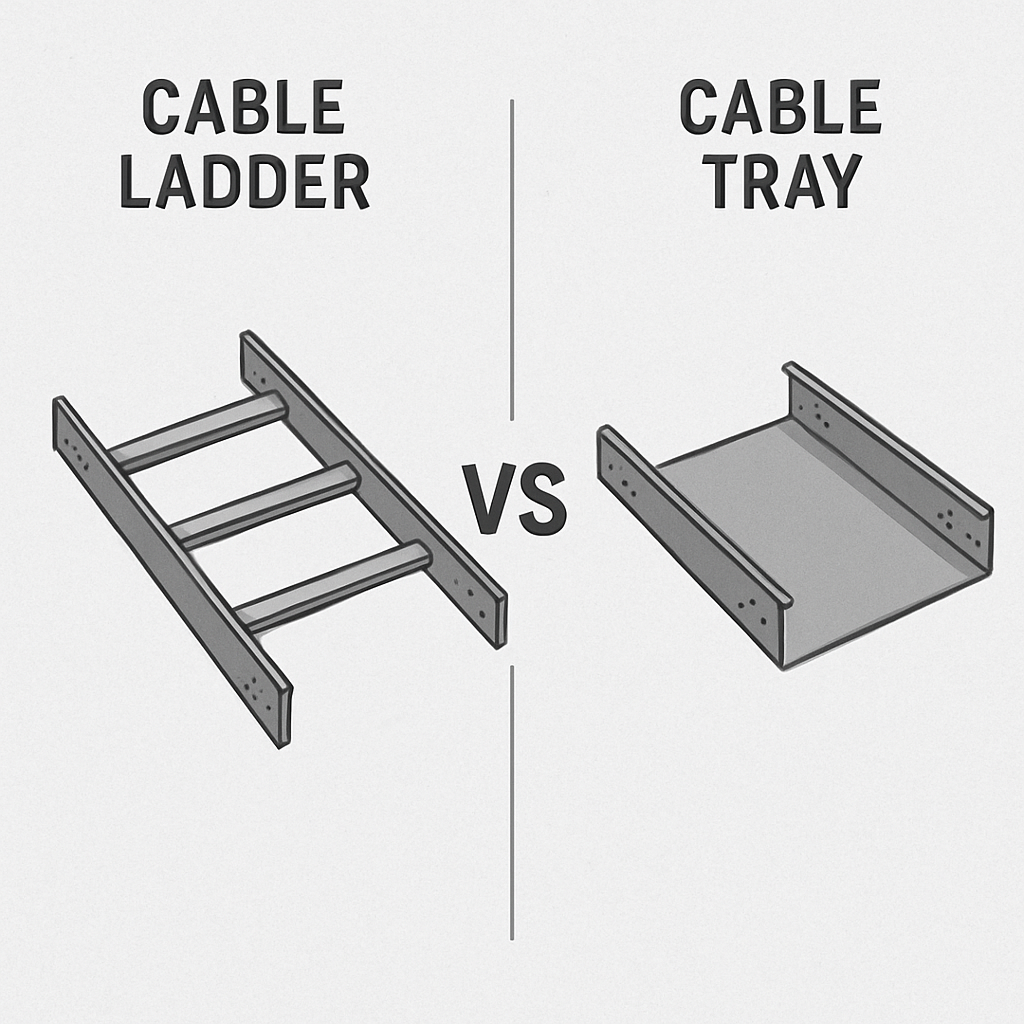
Cable Ladder vs Cable Tray
| Feature | Escada de cabos | Bandeja de Cabos |
|---|---|---|
| Load Capacity | Heavy-duty support | Lighter cables |
| Ventilation | Excellent airflow | Limited ventilation |
| Flexibility | Moderate | High flexibility for cable additions |
| Instalação | Quick, straightforward | May require more fittings |
| Aplicativo | Industrial plants, outdoor heavy-duty cables | Commercial buildings, data centers |
Applications of Cable Ladders
-
Industrial Plants: Factories, power plants, refineries.
-
Commercial Buildings: Offices, hospitals, shopping centers.
-
Data Centers: Structured cabling and power management.
-
Outdoor Installations: Utility, telecom, and transport systems.
-
Residential Projects: Advanced home automation or large cable runs.
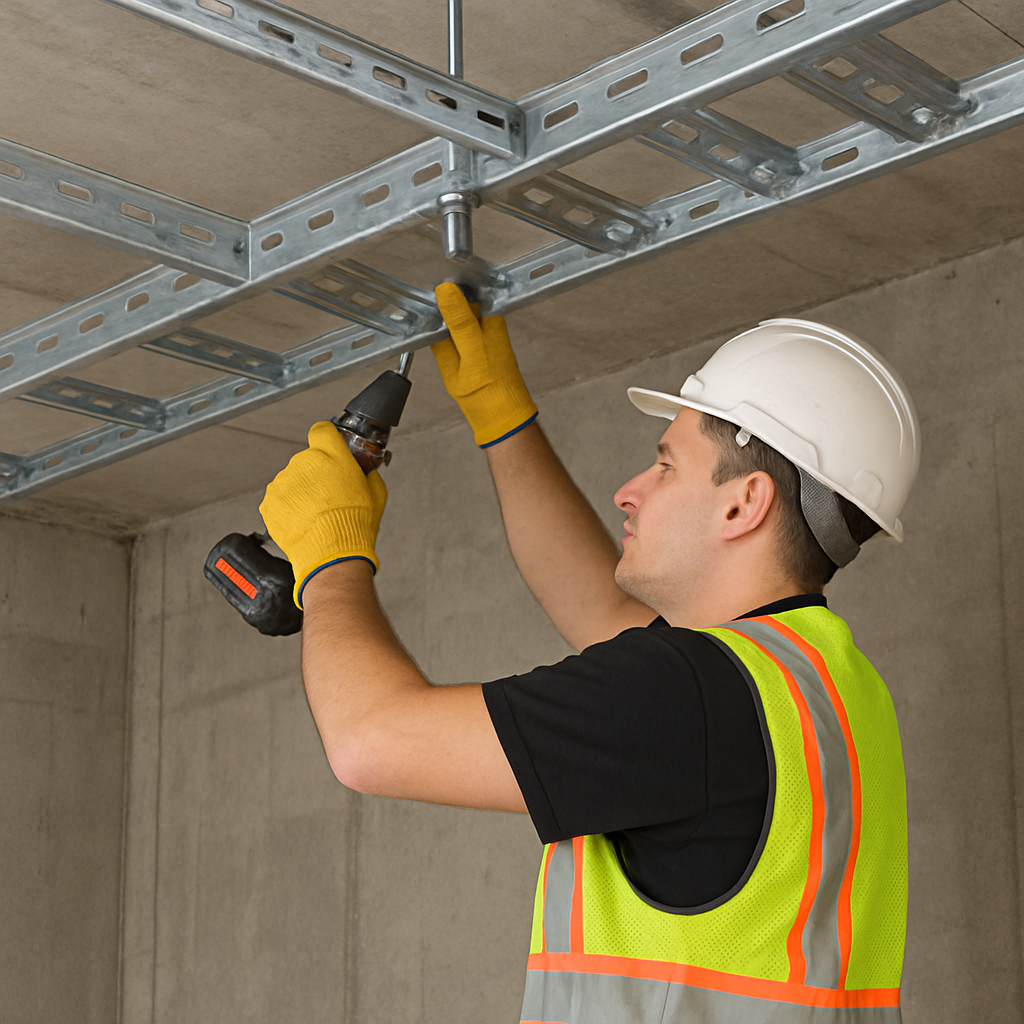
Installation Guidelines
-
Site Preparation: Clean and measure mounting surfaces.
-
Assembly: Align and secure ladder sections.
-
Support Placement: Adequate brackets and anchors.
-
Mounting: Ensure stability and proper alignment.
-
Cable Installation: Follow industry best practices for tension, bundling, and separation.
-
Inspection & Testing: Verify structural integrity and compliance with safety standards.
Conclusão
A escada de cabos is an essential cable management system that enhances safety, organization, and efficiency in electrical installations. By understanding its types, applications, and differences from cable trays, engineers and electricians can make informed decisions to optimize industrial, commercial, and residential projects.