Have you ever walked through a sprawling airport or new hospital and wondered how it all works? Hidden above the ceilings and behind the walls is a complex network—a sort of highway system for thousands of heavy cables delivering power and data to every room. This unseen grid is the lifeblood of our modern world infrastructure, but its installation presents a colossal challenge.
Getting those massive cables into place is far from simple. Many are as thick as a person’s arm and incredibly stiff. Pulling them along hundreds of feet of metal trays is like trying to drag a heavy sofa across a gravel driveway—the friction can easily tear the cable’s protective outer layer, creating a serious safety hazard and the risk of costly failures.
So, how are buildings wired safely on such a massive scale? To prevent this damage and protect workers from strain, electricians rely on a simple but brilliant tool. This device is a core electrical installation best practice that offers a new appreciation for the hidden engineering powering your daily life.
What Are Cable Trays? The Hidden Highways for Our Wires
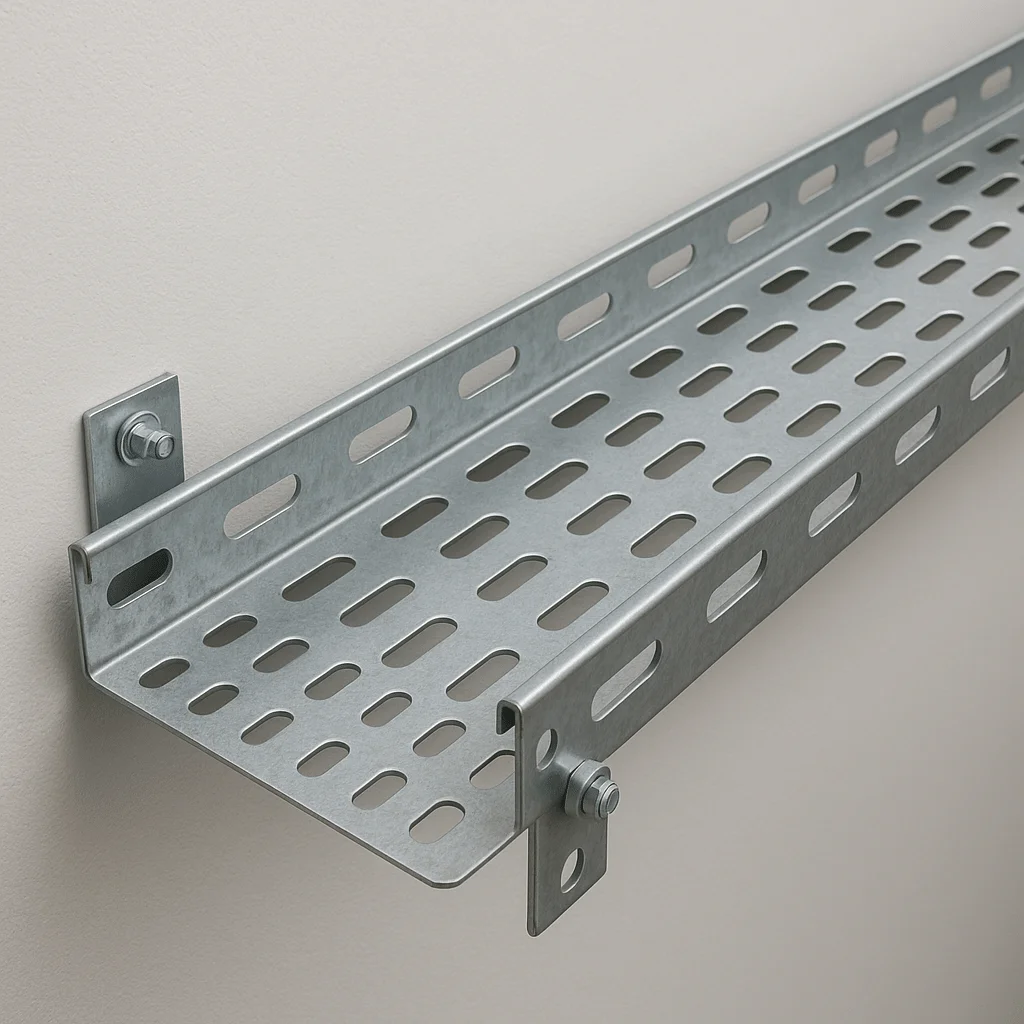
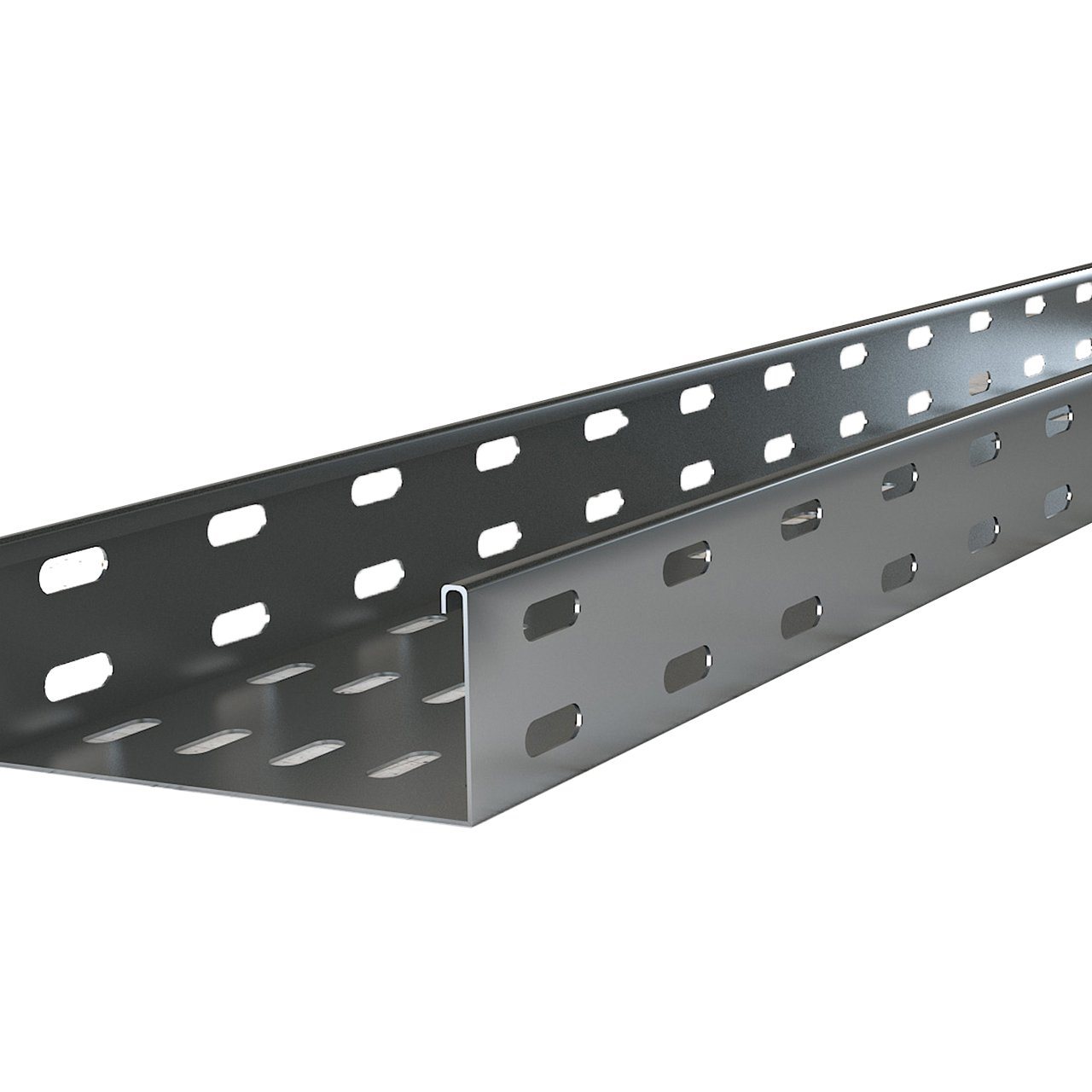
Think of a bandeja de cabos as a miniature highway system built specifically for electrical and data wires. Instead of letting thousands of cables hang loose in the ceiling, these sturdy metal structures—often resembling a ladder laid on its side—organize them into neat, safe pathways. This simple framework is the backbone that supports a building’s entire electronic nervous system, preventing a chaotic and dangerous jumble of wiring.
Without these trays, heavy cables would sag, get tangled, or be accidentally damaged, creating fire hazards and making future repairs a nightmare. By providing a dedicated and organized route, bandejas de cabos ensure the vital connections that power our hospitals, airports, and data centers remain secure, cool, and accessible for years to come. It’s a simple solution to a massive organizational challenge.
You can often spot these industrial-looking highways running along the high, unfinished ceilings of big-box stores or parking garages. But having the highway is only the first step. The next challenge is figuring out how to pull cable through a ladder tray when that cable can be as stiff and heavy as a firehose.

Why You Can’t Just ‘Pull’ a Heavy Cable Through a Metal Tray
It sounds simple enough—just pull the cable along the tray. In reality, this is like trying to drag a heavy piece of furniture across a gravel driveway. The sheer friction created by a stiff, heavy cable grating against the metal rungs of the tray is immense. A team of workers would be fighting against hundreds of pounds of resistance, making it an exhausting and inefficient process for even short distances. This is the first major hurdle in reducing friction when pulling wire.
Beyond the raw physical struggle, all that grinding and scraping poses a serious threat to the cable itself. Every industrial-grade cable is wrapped in a tough, protective outer layer, or “jacket.” Dragging it over the hard edges of a tray can easily tear this jacket, exposing the delicate wires inside. This is a critical failure. Preventing cable jacket damage during installation is non-negotiable, as a single tear can lead to power failures, data loss, or a fire hazard, forcing a costly and time-consuming replacement.
Finally, there is the immense physical toll on the installation crew. The sheer force required to overcome friction, often called pulling tension, puts workers at a high risk for debilitating back injuries and muscle strain. Relying on brute force to move something so heavy and resistant is not just impractical; it’s a significant workplace safety hazard that can have lasting consequences for the people doing the hard work.
So, installers face a triple threat: overwhelming friction, the risk of expensive cable damage, and the danger of serious injury. Clearly, dragging is not an option. This is where a simple yet brilliant tool turns this difficult job into a smooth glide.
How Cable Tray Rollers Turn a Difficult Job into a Smooth Glide
To solve the triple threat of friction, damage, and injury, workers use a clever tool called a cable tray roller. Think of it as a temporary roller skate for a heavy cable. These heavy duty wire pulling guides are simple devices: a sturdy frame hooks securely onto the rungs of the bandeja de cabos, and a wheel sits in the middle, ready to turn. An entire line of these cable tray rollers can be set up in minutes, creating a smooth, rolling runway along the entire pull path.

The magic of these rollers lies in a simple principle: rolling is vastly easier than dragging. Instead of fighting hundreds of pounds of grating friction, the crew is now just gliding the cable’s weight forward. The smooth action of the aluminum cable pulleys means a small team—or even a single person with a winch—can pull thousands of feet of cable with minimal strain. This dramatically reduces the physical effort required, making the job safer and much faster.
Beyond just reducing effort, the roller’s surface is designed for protection. Where a bare metal tray rung has hard, potentially sharp edges, the wheel of the roller is smooth and curved. It cradles the cable, allowing its sensitive outer jacket to glide over it without a single scrape or tear. This ensures the cable arrives at its destination in perfect condition. But what happens when the path isn’t straight?
How Do Workers Pull Cables Around Sharp Bends Safely?
Navigating a straight path is one thing, but the real test comes at every corner. A straight roller is no help here, and forcing a heavy cable around a 90-degree turn is like trying to fold a steel pipe—it creates immense friction and pressure. This single point can pinch, scrape, or even permanently kink a cable, damaging the delicate wiring inside and rendering it useless. A sharp bend is the most dangerous spot in the entire pull.
This is where a specialized tool, the corner cable guide, becomes the hero of the job. It’s the perfect solution for pulling cables around bends. These units often feature a series of smaller rollers or one large, grooved wheel (sometimes called a cable pulling sheave) arranged in a curve. They are mounted directly at the turn, creating a smooth, gentle arc for the cable to follow.

Instead of being scraped against a hard metal edge, the cable glides effortlessly through the corner assembly. The difference between a corner cable guide vs straight roller is one of purpose: one creates a runway, while the other navigates a turn. This specialized design ensures the cable maintains its integrity without kinking or tearing, protecting the expensive materials and the critical systems they power. By turning a high-risk obstacle into just another smooth step, these rollers are essential for any complex installation.
Fewer Failures, Safer Workers: The Real-World Impact of a Smooth Cable Pull
Beyond just making the job easier, using cable rollers delivers critical advantages that affect everyone, from the installation crew to the end-users of the building. This cornerstone of professional electrical installation unlocks a cascade of benefits, with a massive impact on the final project outcome:
- Worker Safety: These heavy cables can weigh hundreds of pounds. Pulling that much dead weight creates a high risk of back injuries and muscle strain. Rollers reduce the required pulling force by over 80%, protecting the crew from needless harm.
- System Reliability: A cable that gets scraped or kinked during installation is a ticking time bomb. It can lead to power failures, data loss, or even fire hazards down the road. A smooth pull is the best way of preventing system failure before it’s even a possibility.
- Project Efficiency: A faster, smoother pull means fewer workers are needed for the job, and it gets done in a fraction of the time. This saves significant money on labor costs, helping to keep the overall project on budget.
The most critical benefit, however, is reliability. Imagine a new hospital where a single damaged network cable could disrupt communication between doctors or a data center where a nicked power line takes a whole server rack offline. The benefits of using cable pulleys are about more than just convenience; they are about guaranteeing that the vital systems we depend on will work flawlessly from day one.
The Invisible Engineering That Keeps Us Connected
The complex networks powering our world rely on hidden “highways” for wires, and installing the heavy cables that serve as their lifeblood is a significant challenge. The simple, elegant roller is a perfect example of behind-the-scenes engineering that solves the difficult problems of friction and damage, safeguarding the modern infrastructure we all depend on for power and data.
The next time you’re in an airport or warehouse store, look up. You may spot the industrial cable trays running along the ceiling and appreciate the story of how those critical connections were carefully rolled into place—a testament to the smart tools that ensure our world stays connected.