We get this question a lot. The safety of your people and the reliability of your electrical system depend on proper cable tray support spacing. In this blog, we’ll focus on support spacing for perforated, ladder and wire mesh cable trays and reference the National Electrical Code (NEC).
Understanding Cable Tray Systems
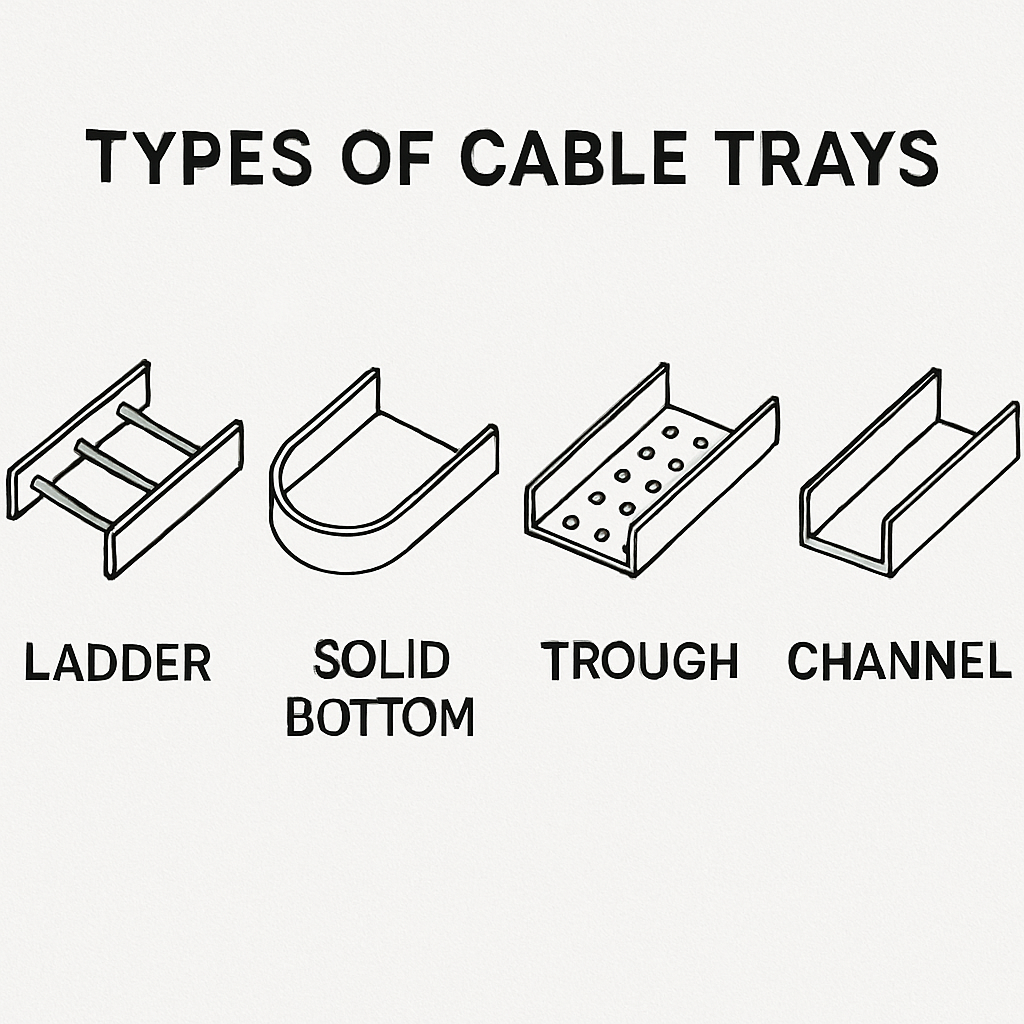
Cable trays are used for supporting insulated electrical cables for power and communication applications. Cable trays are a safe, durable, and cost-effective method of cable management for commercial and industrial applications. The three main types of cable tray are:
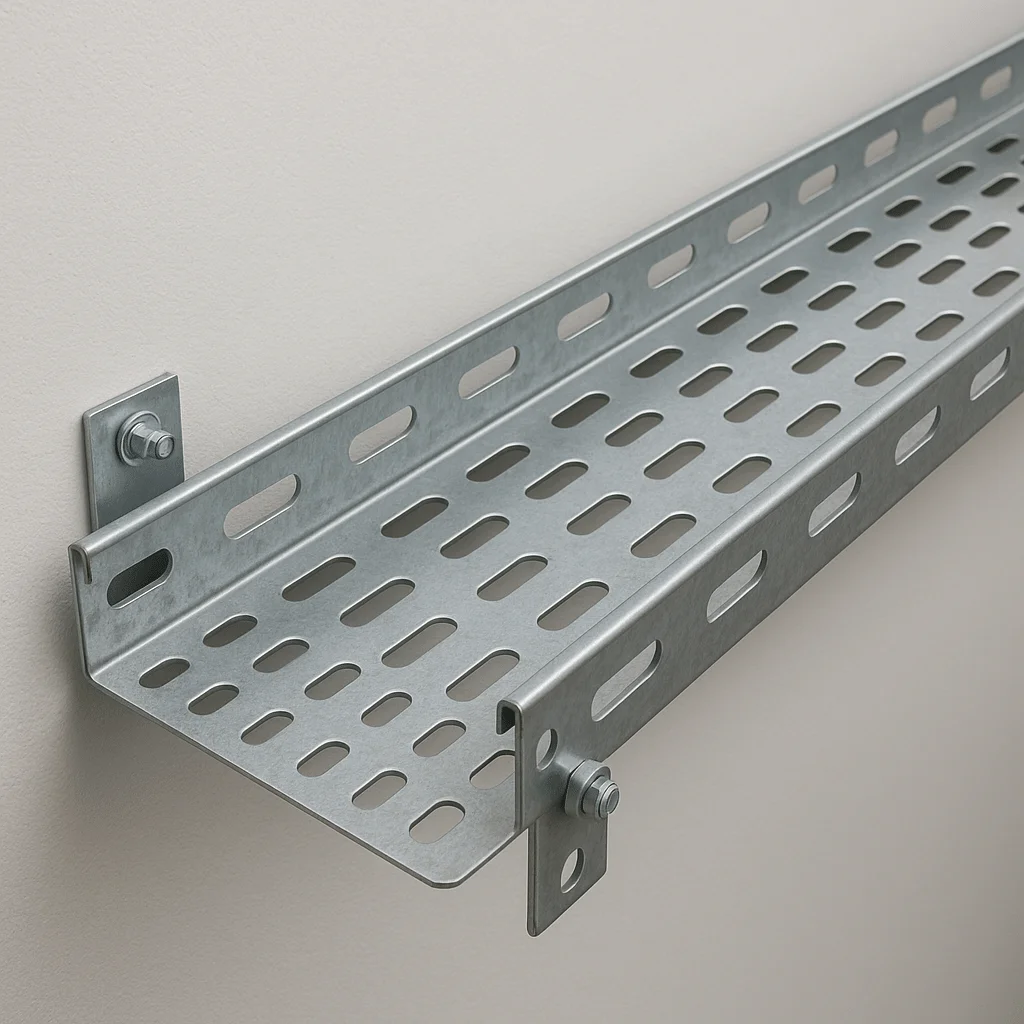
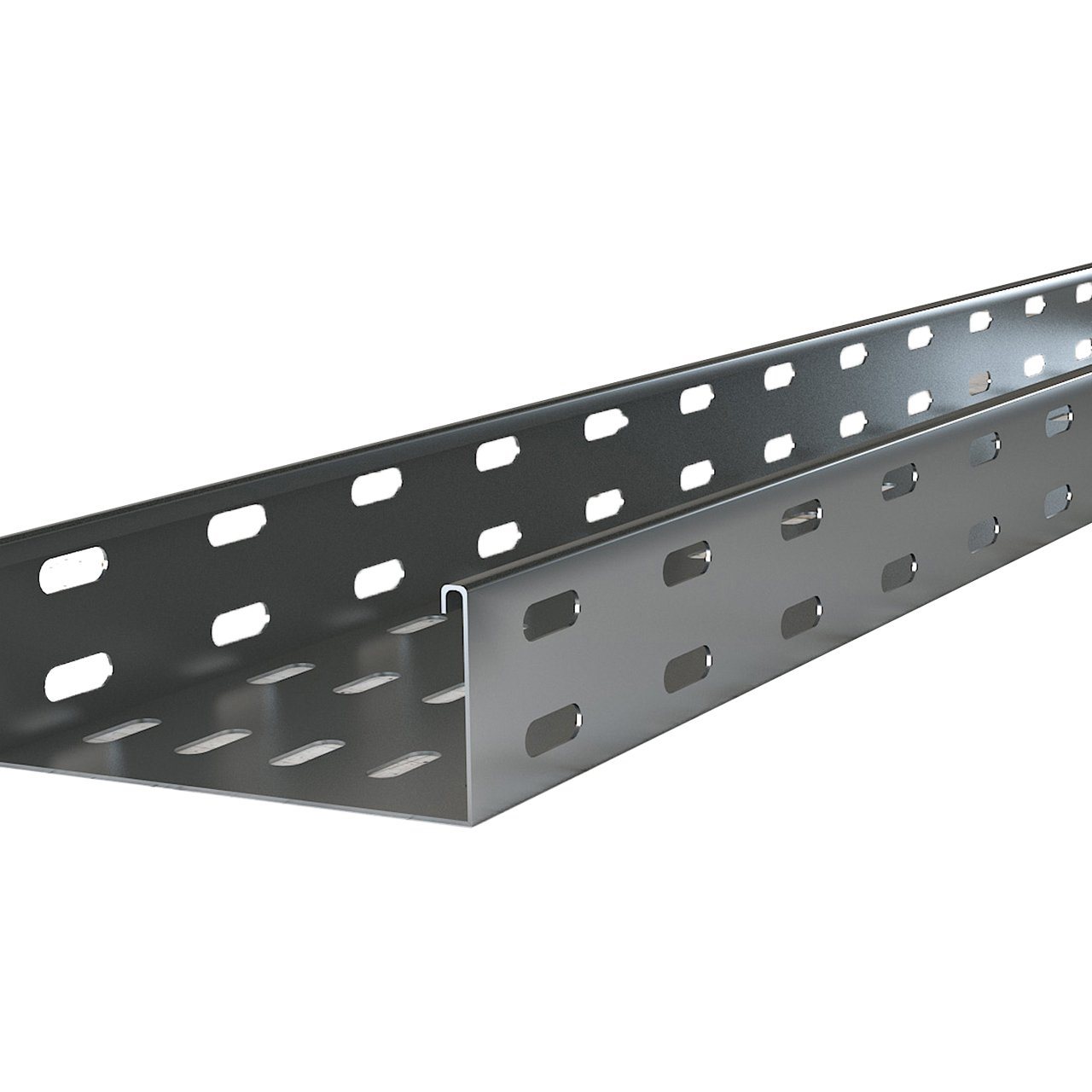
Perforated Cable Trays. These Cable Trays are very versatile as they have slots or holes in them which provide good ventilation and help in preventing the heating of cables.
Bandejas de cabos para escadas are a type of cable tray in the shape of a ladder. They are recommended for heavy cable runs as they provide good cable support as well as adequate ventilation.
Bandejas de cabos em malha metálica are mainly used for telecommunication and fiber optic cables. The cable tray is made of a lightweight and easily rearrangeable design that can suit the various cable routing requirements.
NEC Cable Tray Support Requirements
The National Electrical Code (NEC) covers many aspects of cable tray supports and fittings. The National Electrical Code is a set of principles designed to promote public safety and welfare, as well as safeguard public health by regulating the design and operation of electrical facilities and systems. The following are a few points to consider when dealing with cable tray and the National Electrical Code.
NEC Cable Tray Support Spacing
The NEC requires that cable trays must be supported by members at an interval specified by the cable tray manufacturer, but not more than 5 feet for horizontal runs to support the weight of the cables and other loads.
The NEC has a requirement for ladder-type cable trays. The rungs cannot be more than 9 inches apart.
Cable Tray Support Distance
As uniform as possible, however, the Run Length Between Supports should ideally be in the range of 4 to 6 feet as indicated in the NEC design and load factor.
Cable Tray Support Installation
Cable Trays Installation: Cable trays shall be secured to the structure of the building. The cable tray supports shall be designed to support the weight of the cables, and also any loads that may be applied to the trays from the outside, such as wind and earthquakes.
This cable should span between equally spaced shims. It must support the tray level uniformly to avoid overloading the cable and uneven stress on the tray.
How to Install Perforated Cable Tray
Installation of a perforated cable tray requires a bit more care than solid cable trays. Here are a few things to consider when installing a perforated cable tray.
Plan the Layout: Determine the route for the cable tray, considering the shortest path while avoiding obstructions.
Select the Tray Type: Choose a perforated cable tray that meets the NEC specifications for your application. To start, make sure you put in the supports where they’re supposed to go, with the right amount of space between them. You’ll need to use the right kind of hardware to attach these supports to the main structure of the building, so everything stays in place.
Mount the Tray: Place the perforated cable tray onto the supports and secure it with bolts or clamps.
Route the Cables: Lay the cables inside the tray, ensuring they are evenly distributed to prevent overloading. Keep your cables tidy by using cable ties or straps to hold them in place within the tray. This will help you maintain a neat and organized setup, making it easier to manage your cables and keep them from getting damaged.
Wire Mesh Cable Tray Specifications
Wire mesh cable trays are usually applied for lightweight cables and are convenient for installation. The following are a few key features:
Material: The wire mesh trays are made of steel or aluminum to guarantee durability and resistance to corrosion.
Cable Management Tray Size: Choose a tray size that will hold the desired amount and length of cable.
Support Spacing: Remember the NEC requires no more than 4 feet of support spacing.
Bend Radius: The tray cable bend radius should be supported to avoid damaging the cable.
Ladder Cable Tray Installation
Ladder cable trays are primarily used for heavy-duty applications. Here is a quick rundown of how they can be installed:
Identify Tray Path: Develop the Tray Path based on tray load and maintenance accessibility
Install Supports: Place supports at regular intervals, following NEC guidelines for spacing. The process of assembling the Column-Tray-Beam assembly for the filter bed begins with the attachment of Splice Plates to Tray Sections, utilizing
- Secure the Tray: Attach the ladder tray to the supports, ensuring stability.
- Cable Installation: Lay the cables on the tray, distributing weight evenly.
- Cable Management: Use straps to secure cables, preventing movement and ensuring safety.
Compliance and Safety
All Cable Tray Installations are carried out in line with the NEC regulations. Routine inspections and maintenance will help to identify potential problems within the cable tray system. If left unresolved, these problems can develop into more serious issues.
Cable Tray Inspection: All cable tray and supports must be checked for any signs of wear, corrosion, or damage on a regular basis.
Maintenance: Tighten any loose bolts or clamps and replace damaged components promptly.
The technical documentation record should contain details of any installation, maintenance, or alteration work that has been performed.
Conclusão
Cable tray supports and spacing for buildings can pose many challenges. It is important to understand the NEC rules governing cable trays and their supports. Understanding the different requirements for different types of cable trays, such as perforated trays, ladder trays, or wire mesh trays, will help to make the electrical system installation a success.
Important Notes to be Considered when Specifying and Installing Cable Tray Systems to Assure Optimum Performance and Safety.