In today’s complex industrial environments, managing and protecting cables is crucial for safety and efficiency. A well-organized cable management system not only prevents accidents but also enhances the longevity and performance of electrical systems. One of the most effective solutions for organizing and supporting cables is the cable tray system. This comprehensive guide will help you understand what a cable tray system is, its components, and why it is essential.

What is a Cable Tray System?
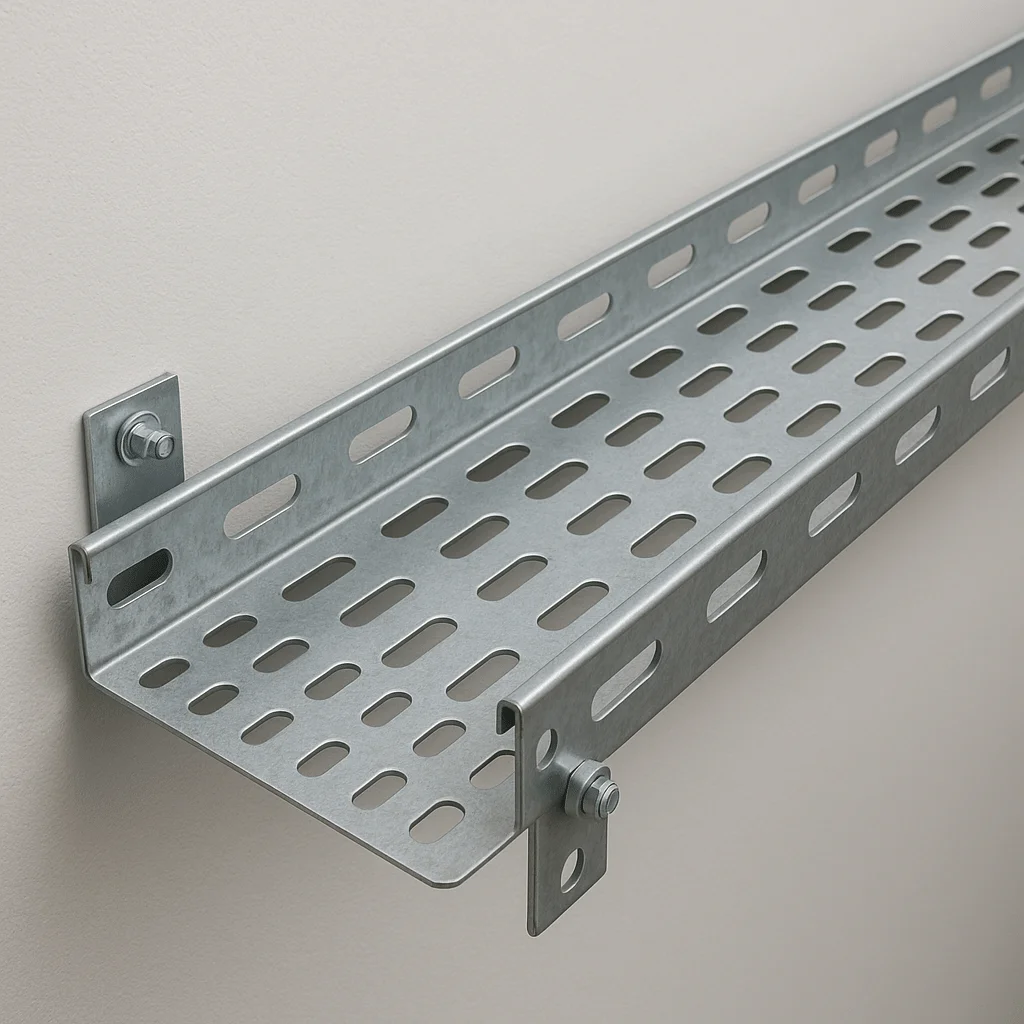
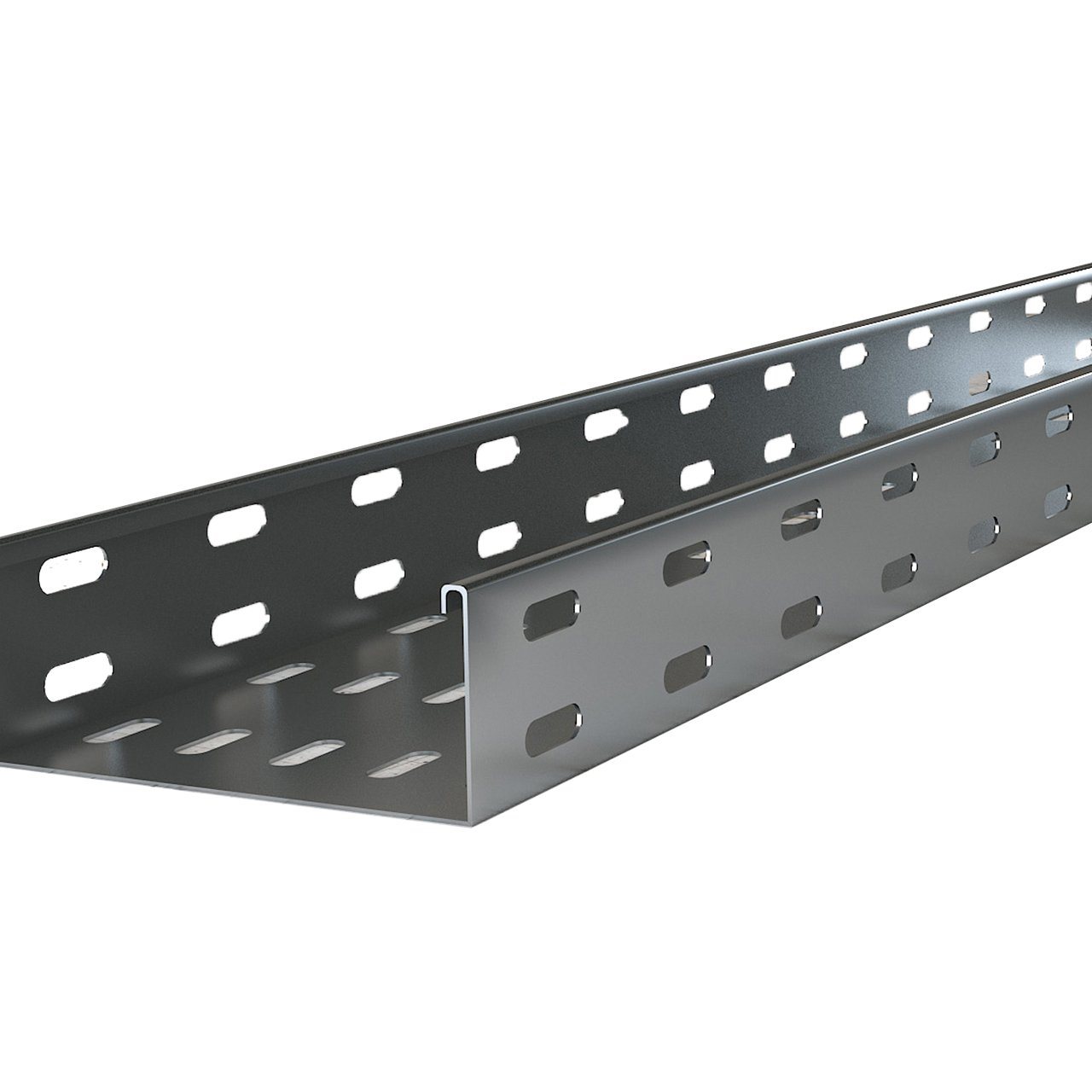
A cable tray system is a unit or assembly of units or sections and associated fittings forming a rigid structural system used to securely fasten or support cables and raceways. In simpler terms, it is a pathway used to carry and protect electrical and data cables in buildings and industrial facilities.
Electrical Cable Tray Definition
Le chemin de câbles électriques is defined as a mechanical support system that holds up and organizes insulated electrical cables used for power distribution, control, and communication. They are widely used in industrial and commercial settings to ensure that cables are organized and protected.
Cable Management System Definition
A cable management system includes the infrastructure to manage electrical or data cables, ensuring they are organized, routed, and protected. This system is crucial for maintaining the integrity and functionality of electrical installations.

Types of Cable Tray Systems
Cable tray systems come in various types, each designed to meet specific needs and requirements. Here are some common types:
Chemins de câbles à échelle
Ladder cable trays are the most popular type, featuring two side rails connected by individual rungs. This design offers maximum ventilation and allows heat dissipation around the cables, making it ideal for high-temperature environments.
Chemins de câbles à fond plein
Solid bottom cable trays provide continuous support and protection for cables. They are perfect for installations where sensitive cables require complete shielding from electromagnetic interference.
Chemins de câbles en auge
Trough cable trays have a solid bottom with side rails, offering moderate protection and support. They are often used for cables that require additional shielding but do not need the full coverage of a solid bottom tray.
Chemins de câbles en treillis métallique
Chemins de câbles en treillis métallique, also known as basket trays, are made of wire mesh and are lightweight and easy to install. They are suitable for environments where airflow is a priority, such as data centers.
Installation de chemins de câbles
Approprié installation of cable tray systems is crucial for their performance and longevity. Here are some key steps and considerations for installing a cable tray system:
Planning and Design
Before installation, a thorough analysis of the facility’s layout and cabling needs is necessary. This involves determining the route, load capacity, and type of cable tray required. The design should also consider future expansion and maintenance needs.
Support and Mounting
Cable trays must be supported adequately to ensure stability and prevent sagging. Support systems include brackets, hangers, and supports, which are selected based on the load and environmental conditions. Proper mounting ensures that the trays remain secure and aligned.
Joining and Fitting
Sections of the cable tray are joined using couplers or connectors, and fittings such as elbows, tees, and crosses are used to navigate around obstacles and change directions. It is important to ensure that all connections are secure and meet the necessary safety standards.
Cable Laying and Securing
Once the trays are installed, cables are laid along the tray and secured using cable ties or clamps. It is essential to maintain proper spacing and avoid overloading the tray to prevent damage and ensure efficient operation.
Benefits of Cable Tray Systems
Cable tray systems offer numerous advantages over traditional conduit systems. Here are some key benefits:
rapport coût-efficacité
Cable trays are generally more cost-effective than conduit systems, as they require fewer materials and labor for installation. They also provide easy access for maintenance and upgrades, reducing long-term costs.
Flexibility and Scalability
Cable trays can be easily modified and expanded to accommodate changes in cabling needs. This flexibility makes them ideal for facilities that may require frequent upgrades or reconfigurations.
Amélioration de la sécurité
By organizing and supporting cables, cable trays reduce the risk of accidents and electrical hazards. They also help prevent cable damage caused by environmental factors or mechanical stress.
Esthétique améliorée
Cable trays provide a clean and organized appearance, which is particularly beneficial in commercial and public spaces where aesthetics matter.
Conclusion
Understanding cable tray systems is essential for anyone involved in electrical installation and maintenance. These systems provide an efficient, flexible, and cost-effective solution for managing cables in various environments. By choosing the right type of cable tray and ensuring proper installation, you can enhance the safety, performance, and longevity of your electrical systems.
Whether you’re planning a new installation or upgrading an existing one, cable tray systems offer a comprehensive solution to meet your cable management needs. With the right approach and attention to detail, you can ensure that your cables are organized, protected, and ready for future demands.