In the labyrinth of modern infrastructure, where power and communication lines crisscross like veins through the body of a city, the unassuming cable tray plays an irreplaceable role. Despite its modest appearance, this vital component is responsible for organizing and protecting the lifelines of functionality in commercial buildings, data centers, and industrial complexes. Imagine, for a moment, the chaos and inefficiency that would ensue without the orderly management of these critical cables—a network tangled and unmanageable, vulnerable to damage and interruption.
The importance of cable tray systems cannot be overstated, as they provide a structured pathway that not only supports but enhances the reliability and safety of electrical installations. As infrastructure demands grow more complex with the advancement of technology, cable trays have evolved to accommodate an ever-increasing load of wires, offering flexibility and adaptability to meet our modern needs. They are not merely a support system; they are the unsung heroes ensuring that the pulse of modern infrastructure beats smoothly and steadily.

The Evolution of Cable Tray Systems
The journey of cable management began in the early 20th century with simple wooden raceways and metal conduits, designed primarily to shield electrical wiring from mechanical damage. As industrial processes and electrical loads intensified, engineers recognized the need for more accessible and adaptable solutions. This led to the birth of the cable tray in the mid-20th century—a system of metallic or nonmetallic channels that could support large bundles of cables while allowing for inspection, modification, and cooling.
Over time, materials and manufacturing methods advanced. Steel trays evolved into corrosion-resistant aluminum and fiberglass-reinforced plastic (FRP), each offering unique benefits like lightweight construction, high tensile strength, and chemical resistance. Innovations in design—such as ventilated trays with perforated bottoms—enhanced airflow and reduced heat buildup. Modern cable tray systems now incorporate modular components, adjustable fittings, and snap-on covers, reflecting a century of refinement driven by the growing importance of cable tray solutions in commercial, industrial, and data center environments.
Types of Cable Trays and Their Applications
Cable trays come in a variety of configurations, each tailored to specific installation requirements. Ladder trays, recognizable by their parallel side rails and rungs, are ideal for heavy-duty power cables, offering excellent ventilation and crawl space for heat dissipation. Solid-bottom trays provide complete protection against dust, moisture, and small objects, making them suitable for sensitive communication lines in indoor environments and clean rooms.
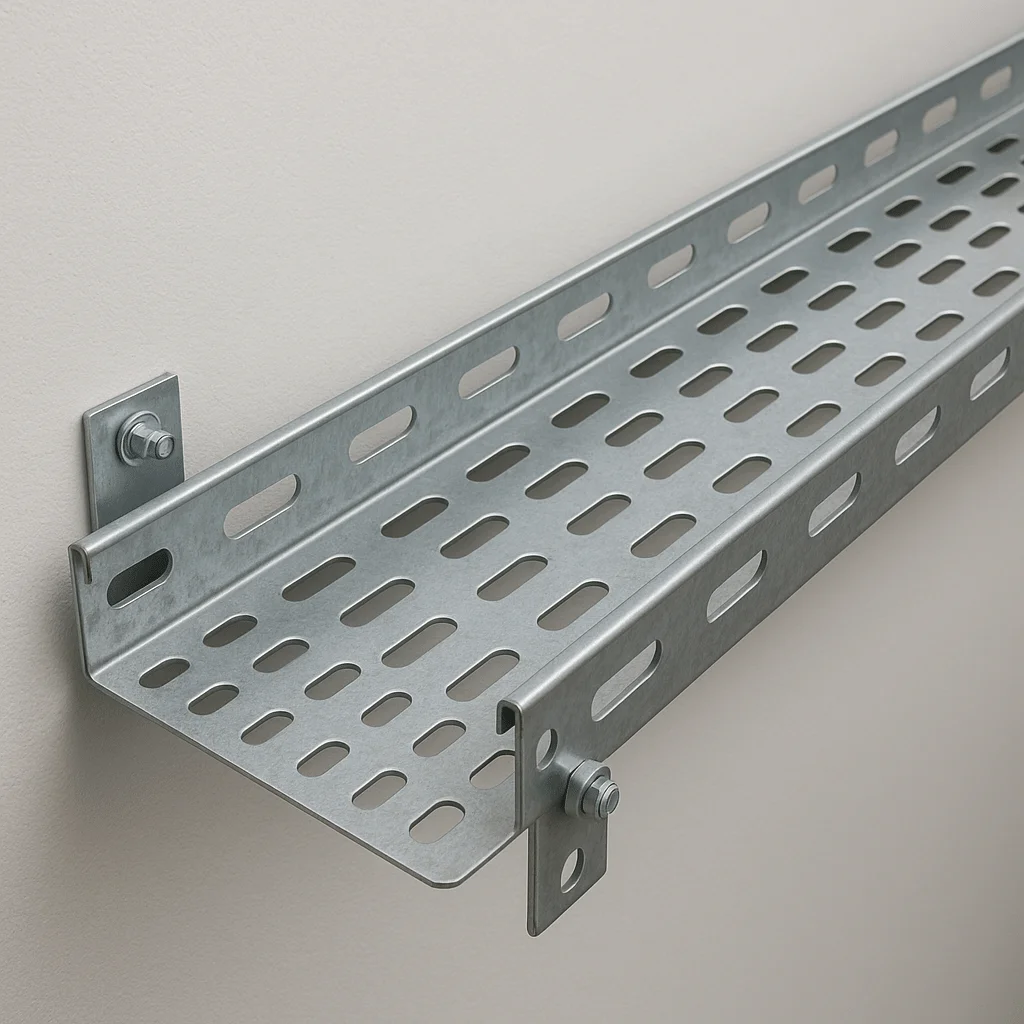
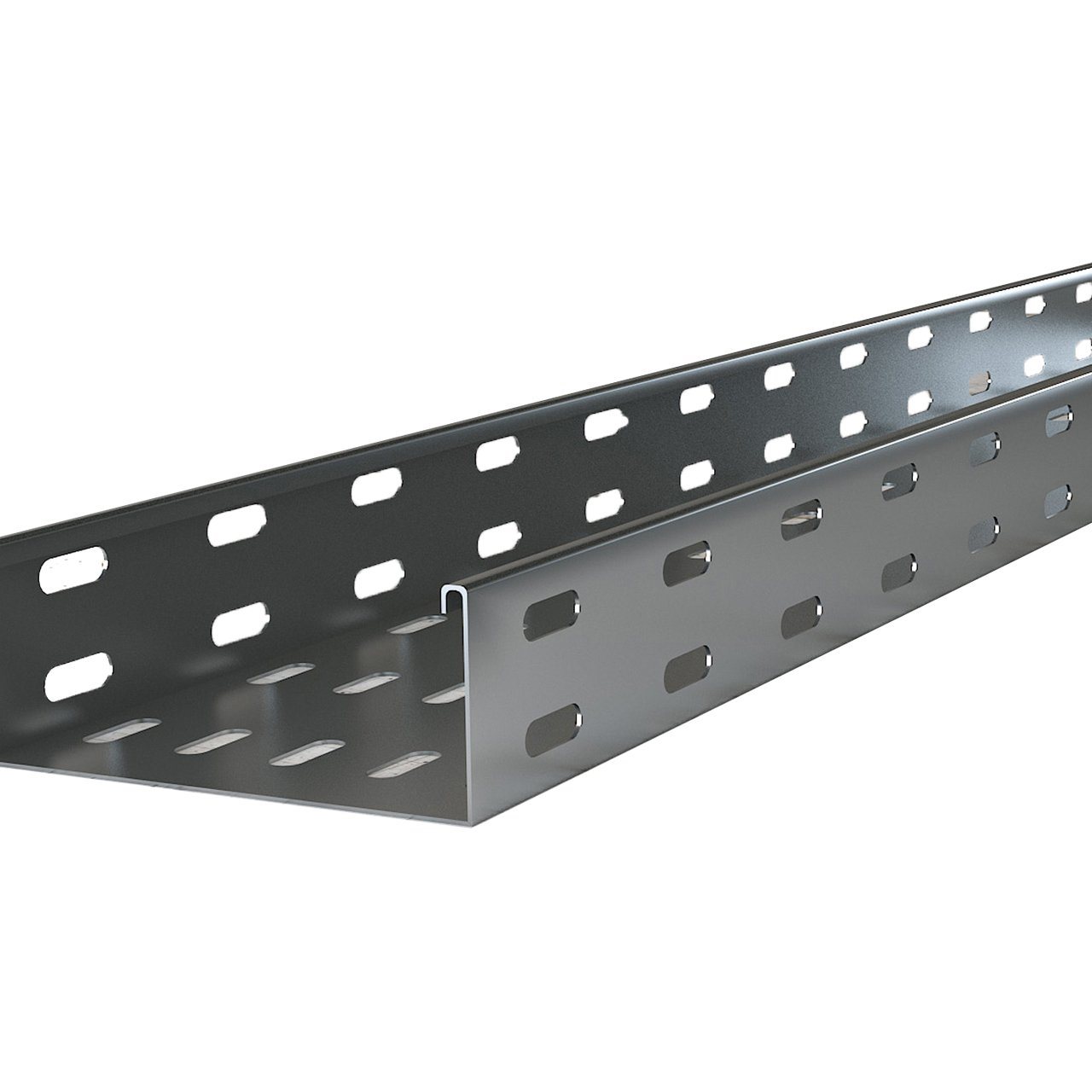
Ventilated solid trays combine the benefits of ladder and solid designs, featuring regularly spaced openings that balance protection with airflow. Wire mesh trays, constructed from welded steel or stainless-steel wire grids, excel in data center and telecom applications where flexibility and rapid deployment are essential. Their open structure simplifies cable routing in complex layouts, allowing technicians to secure cables at any point. Each tray type addresses the unique demands of its environment, reinforcing the importance of cable tray selection for safe, efficient infrastructure.
Cable Tray vs. Conduit Systems: A Comparative Analysis
Both cable trays and conduit systems serve to route and protect electrical wiring, but they differ significantly in structure, installation, and maintenance. Conduits—rigid or flexible tubes—completely encase cables, offering maximum mechanical protection and shielding against electromagnetic interference. However, they can be labor-intensive to install; pulling new wires through long conduit runs often requires significant effort and specialized tools.
Cable trays, by contrast, provide an open pathway that supports multiple cables side by side. Installation is typically faster and less costly, as trays can be mounted directly to walls, ceilings, or structural elements and extended without the need for threading tools. Maintenance and cable additions are straightforward: technicians simply lay cables into the tray and secure them with clamps or ties. While conduit systems may still be preferred in environments demanding absolute environmental sealing, cable trays have become the standard for large-scale installations where flexibility, cost-effectiveness, and ease of access are paramount.
The Role of Cable Tray in Preventing Cable Overheating
Heat buildup is a primary concern in cable installations, as excessive temperatures can degrade insulation, reduce conductor lifespan, and increase the risk of fire. Cable trays mitigate this risk by promoting natural convection and heat dissipation. The open design of ladder and ventilated trays allows air to circulate freely around each cable, drawing heat away and maintaining stable operating temperatures.
Proper tray loading—avoiding overcrowding and ensuring even cable spacing—further enhances cooling. Manufacturers often provide fill-capacity guidelines to prevent thermal stacking. In high-temperature or high-density environments, additional measures such as forced-air cooling or thermal insulation barriers may be applied. By integrating these practices, the importance of cable tray installations in preserving cable health and system reliability becomes abundantly clear.
Maintaining and Inspecting Cable Trays for Optimal Performance
Regular maintenance and inspection are critical to ensure cable trays continue to operate safely and effectively. A certified technician should conduct periodic visual checks to identify signs of physical damage, corrosion, or loose supports. Fasteners and connections must be verified for tightness, and structural elements inspected for deformation or wear, particularly in high-vibration settings like industrial plants.
Cleaning is equally important. Debris, dust, and cable ties can accumulate over time, obstructing airflow and creating fire hazards. Trays in outdoor or corrosive environments require additional attention—protective coatings should be intact, and any rust spots treated promptly. Documentation of inspection findings and corrective actions not only ensures compliance with safety standards but also prolongs the service life of the cable tray system, safeguarding the entire electrical installation.
Conclusion: The Indispensable Role of Cable Trays in Modern Infrastructure
From humble beginnings to sophisticated modern systems, the evolution of cable trays underscores their vital role in today’s complex electrical and communication networks. Their adaptability, cost-effectiveness, and contribution to safety make them a cornerstone of efficient infrastructure design.
Whether in sprawling industrial facilities, towering office complexes, or high-density data centers, cable trays offer an elegant solution for managing the ever-growing web of power and data cables. By recognizing the importance of cable tray selection, installation, and maintenance, stakeholders can ensure the longevity and reliability of critical systems that power our modern world.