Ever wondered how a massive data center or hospital gets all its power and internet? The answer is hidden above ceilings and behind walls, where thousands of thick, heavy cables must be pulled for miles throughout the building’s structure.
Pulling these cables is a staggering engineering challenge. In practice, a single spool of industrial cable can weigh more than a small car, and it must be navigated through a complex metal maze without getting stuck or damaged. This isn’t a task of brute force; it’s a problem of physics.
Simply dragging them creates immense friction and risks tearing their protective outer skin against sharp metal edges. Any effective guide to pulling cable through trays must first solve this fundamental problem of safety and preservation, as a single damaged cable can cost thousands.
So, how do professionals do it? Their secret is a surprisingly simple piece of electrical cable pulling equipment that transforms this monumental task. Understanding how to install cable in a tray system correctly begins with this brilliant, often-overlooked tool.
What Is a Cable Tray? The Unseen Highway System in Our Walls
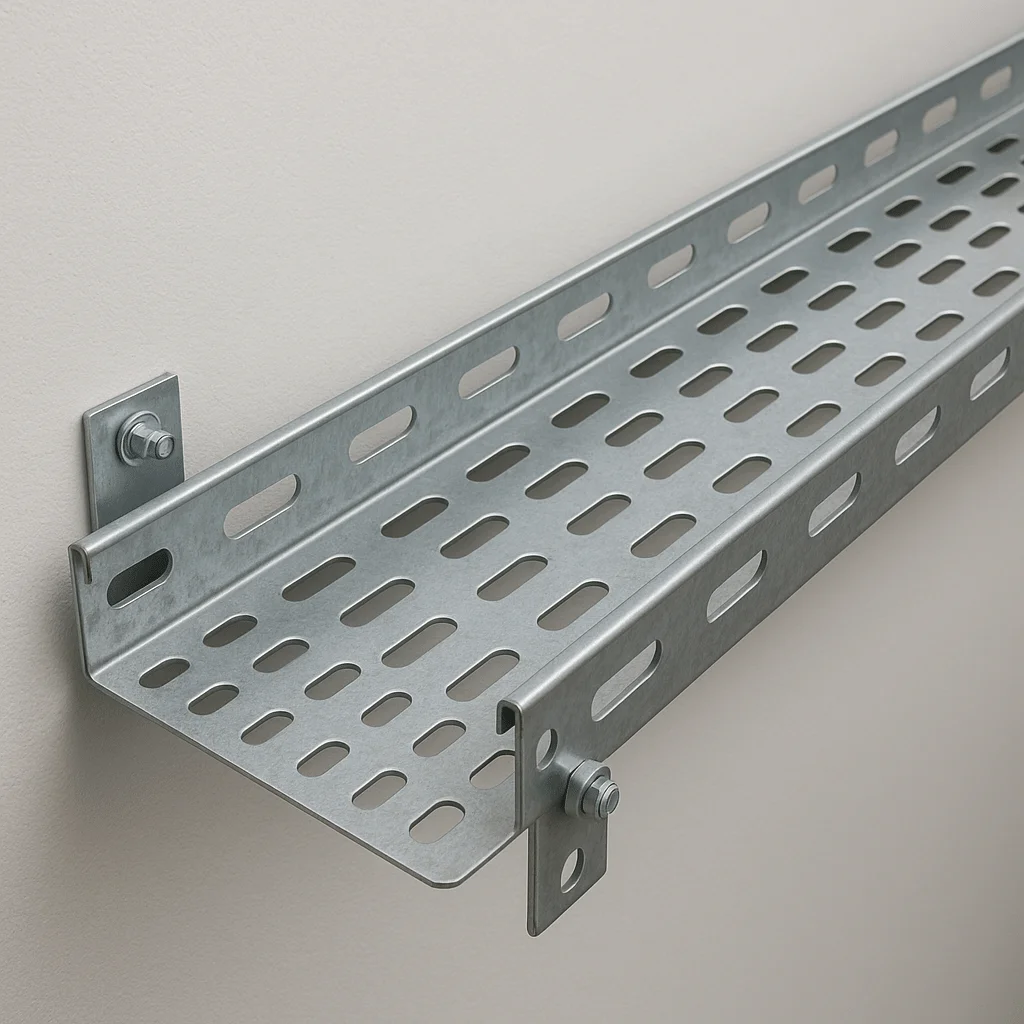
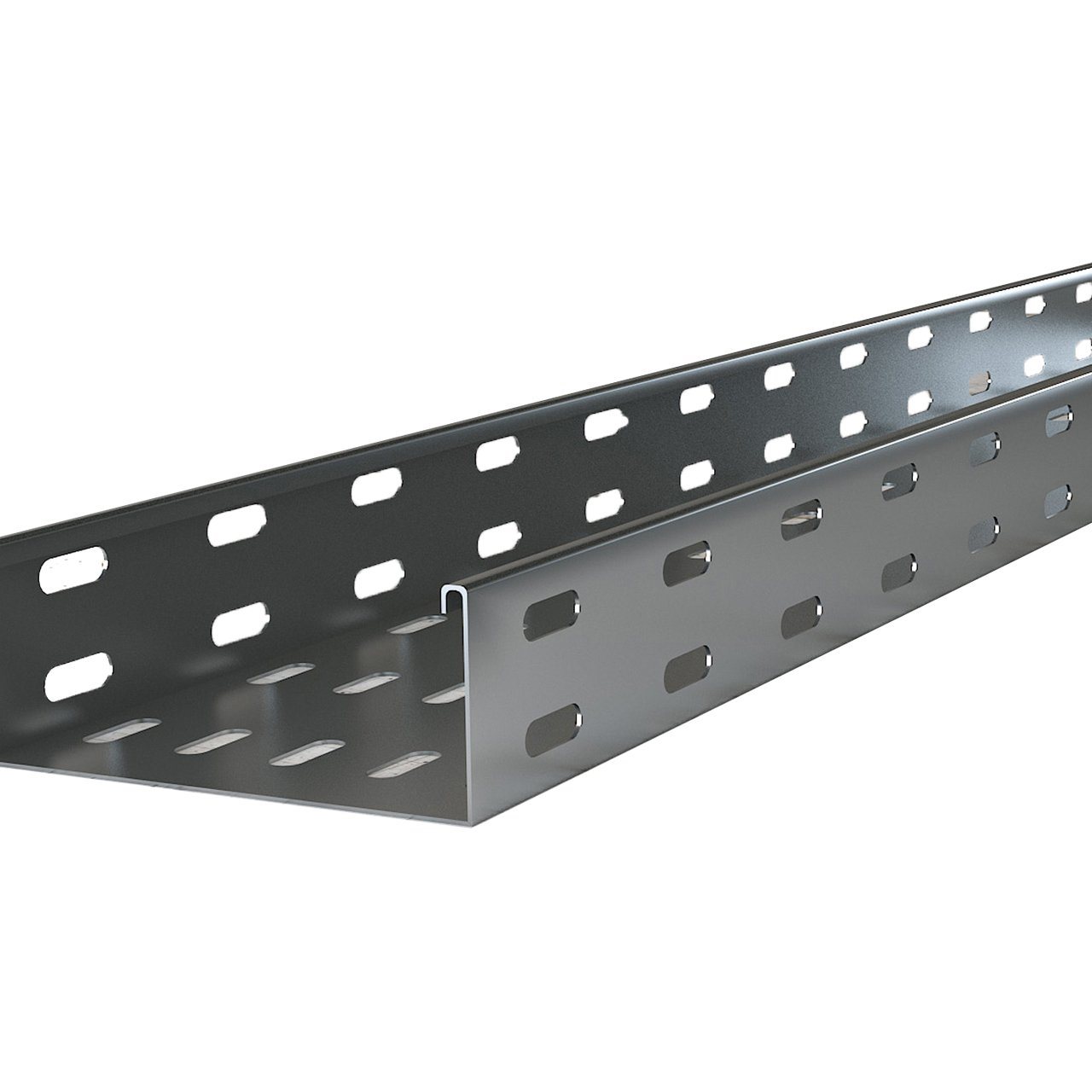
If you could peek behind the ceiling tiles of a hospital or data center, you wouldn’t see a chaotic web of loose wires. Instead, you’d find a meticulously organized network of metal pathways. This is a cable tray—think of it as a dedicated highway system built just for the thousands of power and data cables that bring a building to life.
Made of steel or aluminum, these structures look like ladders or long troughs mounted near the ceiling. Their purpose is simple but critical: to support and protect bundles of cable. By providing a clear, organized path, they prevent a tangled mess, protect cables from damage, and act as essential guides through long, straight sections of a building.
But these highways aren’t built empty. Getting hundreds of heavy, stiff cables laid neatly inside a tray over distances of hundreds or even thousands of feet is a massive physical challenge. This is far more complex than just laying them in place; they have to be pulled, which introduces a whole new set of problems.

The Sheer Force Problem: Why Pulling Cable Is Like Dragging an Anchor
At first, pulling a heavy industrial cable might seem straightforward. But picture trying to drag a long, heavy chain across a concrete floor. Even on a smooth surface, the friction creates a surprising amount of resistance. That initial tug-of-war is just the start of a much bigger challenge, as these cables are often hundreds of feet long and weigh thousands of pounds.
The real problem is that this friction accumulates. Every foot of cable adds its own weight and drag to the total load. Then, when the path bends, the force needed to pull the heavy cable around corners multiplies dramatically. This snowballing effect means that a pull of a few hundred feet can feel like trying to move a car with a rope. A heavy-duty cable guide system becomes essential.
Eventually, the pulling force becomes so immense that brute strength is no longer a viable solution for reducing cable pulling friction. It can exceed what workers can safely handle, and simply using a more powerful machine introduces a new risk. All that grinding force isn’t just difficult to overcome; it can easily scrape and damage the cable’s protective outer skin.
The Hidden Danger: How a Single Scrape Can Ruin an Expensive Cable
All that grinding force from the pull does more than just make the job hard—it actively destroys the cable itself. Every industrial cable has a protective outer skin, called a cable jacket. Think of it like the thick rind on an orange; it’s the only thing shielding the delicate, valuable wires inside from the outside world. If that protective layer is compromised, the entire cable can be ruined before it’s ever even switched on.
The main culprit is the very structure designed to support the cables: the bandeja de cables. When a cable weighing thousands of pounds is dragged directly over the tray’s sharp metal edges or around a tight corner, the jacket gets scraped, gouged, and torn. This grinding action is a constant threat, making the task of preventing cable damage during installation a top priority for electrical and data professionals.
Even a small nick can be disastrous, exposing sensitive wires to moisture or creating a serious safety hazard. For delicate fiber optic cables, a single deep scrape can break the fragile glass strands within, rendering it useless. While special lubricants help, they often can’t stop a sharp edge from slicing the jacket under immense pressure. A smarter solution is needed—one that lifts the cable over these hazards entirely.
The Simple Fix: How Rollers Make a Two-Ton Cable Glide Effortlessly
Instead of fighting against friction, installers use a brilliantly simple tool. Imagine trying to move a heavy sofa. You wouldn’t drag it across the floor; you’d put it on a wheeled dolly. The straight bandeja de cables roller does the exact same thing for a massive cable, turning a high-friction drag into a smooth, effortless glide. These are some of the best tools for electrical cable installation because they immediately solve the problem of friction and jacket damage.
Putting them to use is just as straightforward. Before the pull begins, workers place these individual rollers, which act as straight section cable guides, every few feet along the length of the tray. As the heavy cable is pulled forward, it travels over this temporary “runway” of wheels, gliding just above the tray’s potentially sharp metal surface. This simple setup lifts the cable’s delicate jacket safely away from any potential scrapes or snags.
The benefits of using cable support rollers are immediate and dramatic. A job that would otherwise require immense, potentially damaging force becomes manageable, and the cable’s integrity is completely protected. This solves the problem for the long, straight sections of the run. But the biggest challenge still remains: how do you get a massive cable around a sharp 90-degree corner?

What Happens at a Sharp Turn? The Genius of the Corner Roller
A straight run is one thing, but pulling a heavy cable around the 90-degree corner of a metal tray is like trying to drag a steel pipe around the corner of a brick wall. It’s a recipe for snags, scrapes, and immense strain. This brings up the most difficult question on any large wiring job: how to pull heavy cable around corners without destroying it.
To solve this, workers use a corner roller for cable trays. Instead of a single straight wheel, these units are robust assemblies of multiple rollers (often called sheaves) arranged in a smooth curve. The entire device is clamped directly onto the tray’s corner, effectively replacing the sharp, damaging angle with a gentle, rolling ramp that perfectly guides the cable through the turn.
Every cable has a breaking point. Think of folding a paper straw—if you bend it too sharply, it crimps and becomes useless. The same is true for expensive electrical cables; bending them too tightly can break the delicate conductors inside. The corner roller is specifically designed to respect this minimum “bend radius,” ensuring the cable follows a curve that is safe and won’t cause internal damage.
By turning a sharp, high-friction corner into a smooth, low-friction curve, the corner roller protects the cable from its most dangerous point of contact. This specialized tool not only makes the job possible but also ensures the integrity of the critical infrastructure that powers our world.

Why This Tiny Tool Matters: Protecting Workers and Multi-Million Dollar Projects
These rollers might just look like simple wheels on a frame, but their impact on a construction project is enormous. They are not just a “nice-to-have” tool; they represent the difference between a successful installation and a costly, dangerous failure. The benefits of using cable support rollers go far beyond simple convenience.
Consider the cost. A single spool of high-performance fiber optic or heavy power cable can be worth more than a new car. Installing it without a proper heavy duty cable guide system can easily tear its protective jacket, rendering the entire length useless. Rollers are the inexpensive insurance policy that prevents this kind of damage, saving projects from crippling financial loss.
Beyond the financial stakes, the most important advantage is worker safety. Pulling cables that can weigh hundreds of pounds per foot requires tremendous force, putting immense strain on workers’ backs and joints. By creating a smooth, rolling path, these tools drastically reduce the physical effort needed, preventing injuries and making the job safer for the crews building our world.
Ultimately, using these tools correctly ensures the long-term health of our infrastructure. A cable that isn’t scraped, kinked, or over-stressed during installation is one that will function reliably for decades. This quiet, unseen step in the construction process helps guarantee that your lights turn on and your internet connects, day after day.
The Next Time You Flip a Switch, Remember the Rollers
Before, the sight of a half-finished building might have just looked like organized chaos. Now, you can see the hidden logic at play. You understand the immense physical challenge of routing miles of heavy, expensive cable through a metal framework. You recognize that the two great enemies—friction and damage—can’t be overcome with brute force, but with a simple, elegant idea.
This idea is the core of any professional approach to pulling cable through trays. The clear benefits of using cable tray rollers transform an impossible job into a smooth, controlled process. By providing a nearly frictionless path, these simple wheels become some of the best tools for electrical cable installation, protecting the vital arteries that power our digital and electric worlds.
The world is full of this kind of invisible engineering, but it’s no longer invisible to you. When you look at the infrastructure around you, you’ll now see more than just steel and wire. You’ll see the clever solutions and quiet ingenuity holding it all together—a hidden layer of our world you can now appreciate.